
Posted on 26 Jun 2024
Incorporating Wooden Windows into Modern Architecture
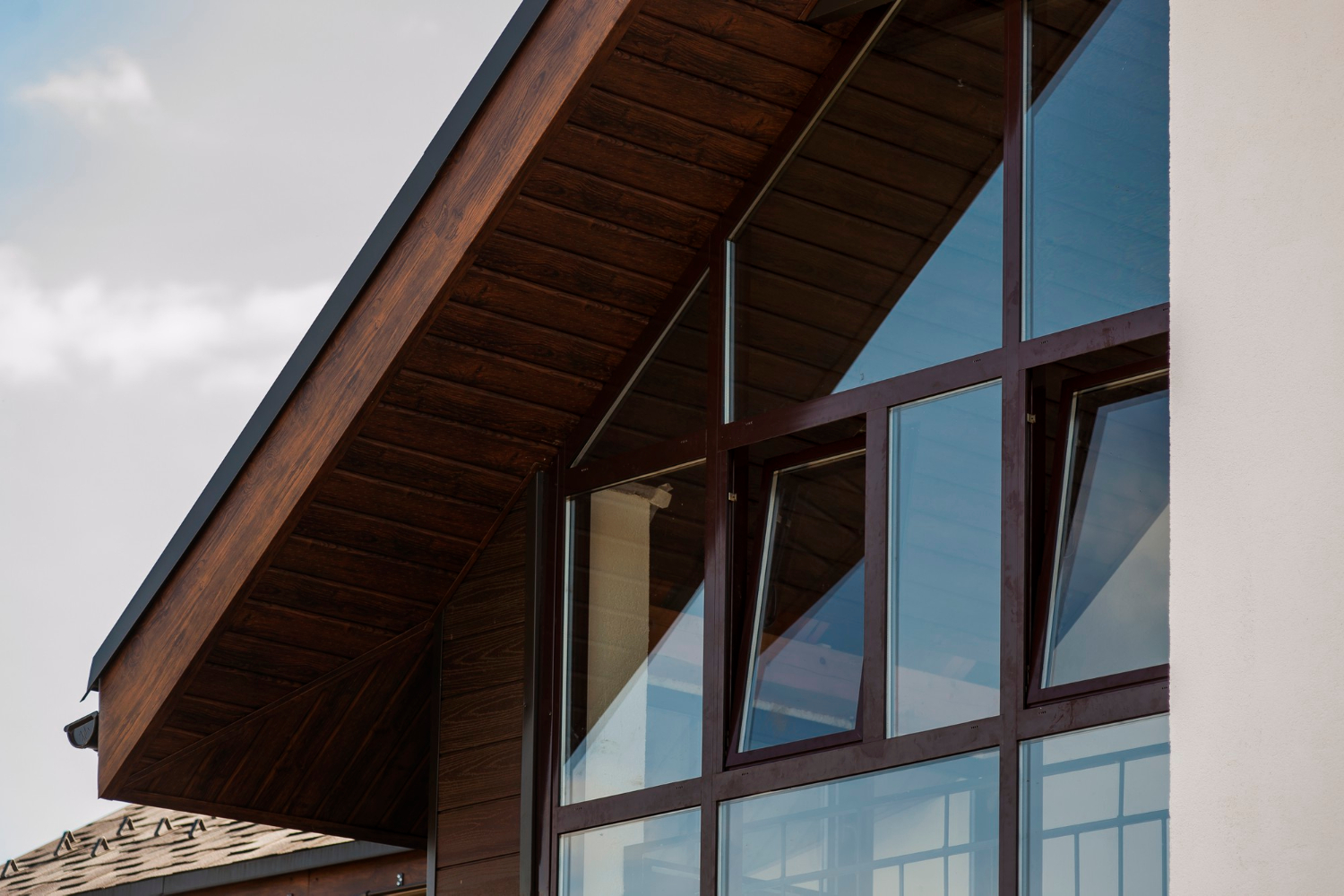
Wooden windows, with their timeless elegance and natural appeal, are making a resurgence in modern architecture. They seamlessly blend traditional craftsmanship with contemporary design, offering both aesthetic and functional benefits. Here’s how wooden windows can be incorporated into modern architectural styles.
Aesthetic Integration
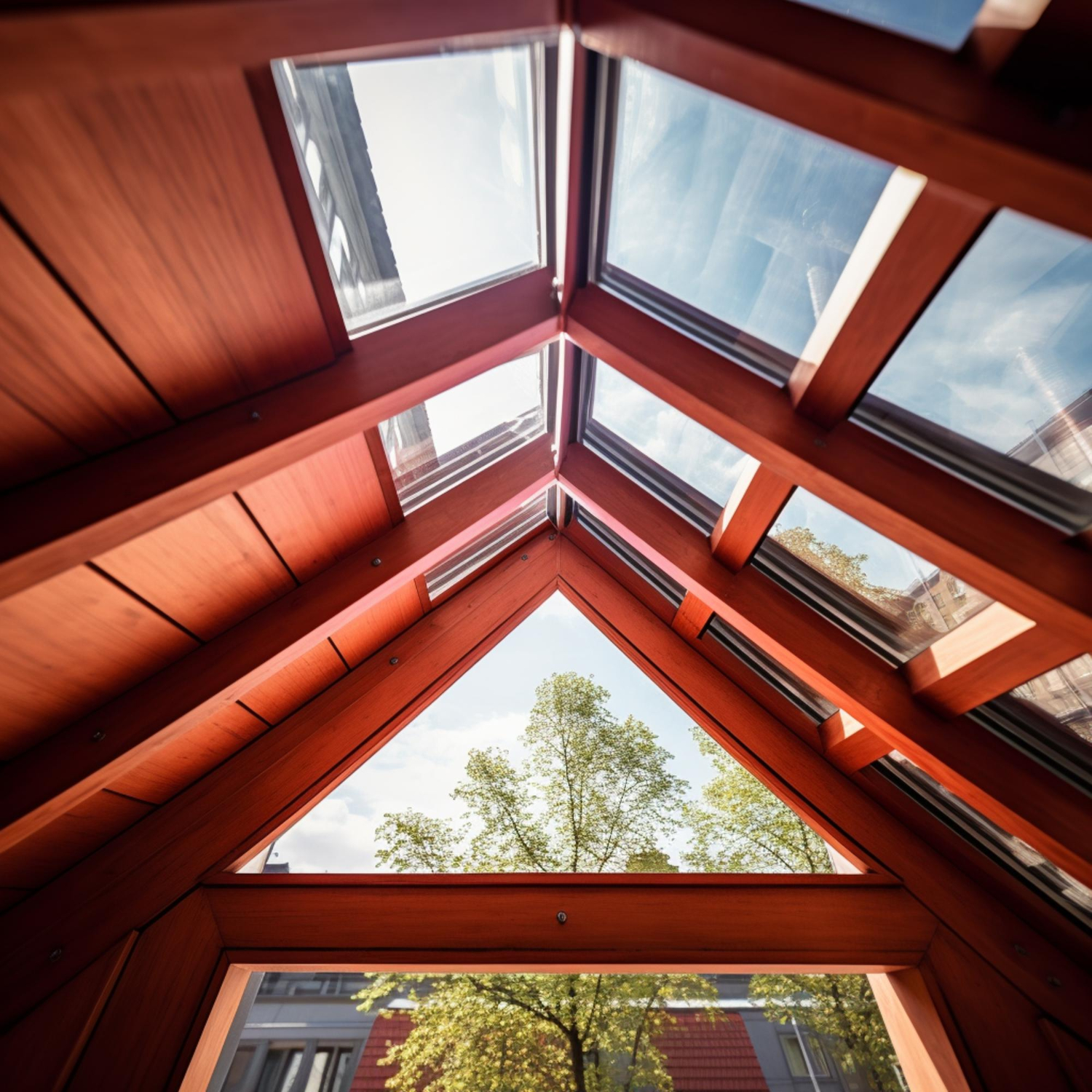
Modern architecture often emphasizes clean lines, minimalism, and large, open spaces. Wooden windows can complement these elements by providing a warm, organic contrast to the often stark and industrial materials like glass, steel, and concrete. The natural grain and texture of wood add depth and character to modern designs, creating a balanced and inviting atmosphere.
Versatility in Design
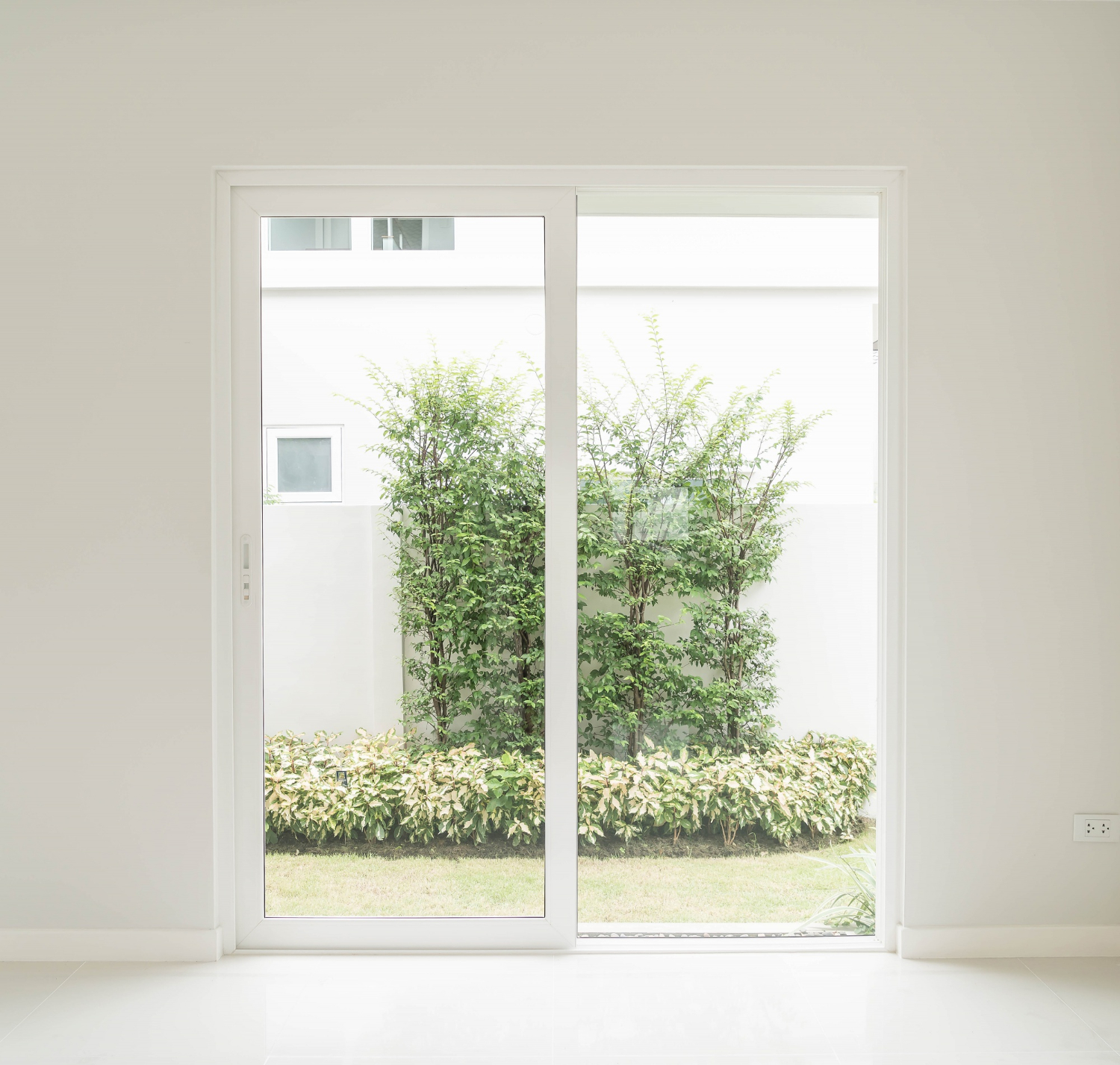
Wooden windows are highly versatile and can be customised to fit various architectural styles. Whether it’s sleek, minimalist frames for a contemporary look or more detailed, traditional designs, wood can be tailored to meet the specific needs of any project. Additionally, wood can be painted or stained in a variety of colours, allowing for further customisation to match or accentuate other design elements.
Sustainability and Eco-Friendliness
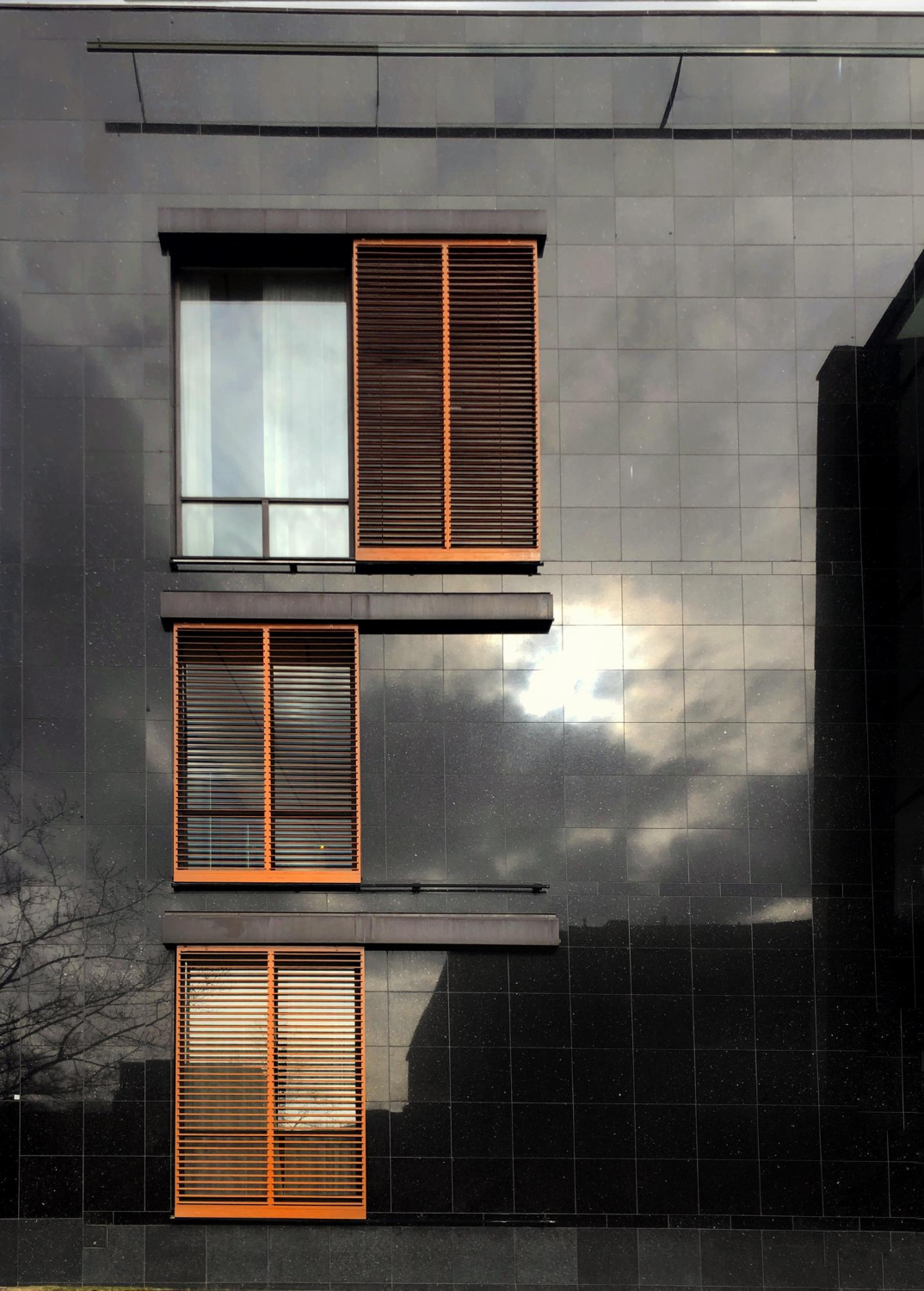
Sustainability is a key consideration in modern architecture. Wooden windows, especially those made from sustainably sourced timber, are an eco-friendly choice. Wood is a renewable resource, and modern manufacturing processes ensure minimal environmental impact. Additionally, wood windows have a lower carbon footprint compared to those made from PVC or aluminium, aligning with the green building practices that are becoming increasingly important in contemporary construction.
Energy Efficiency
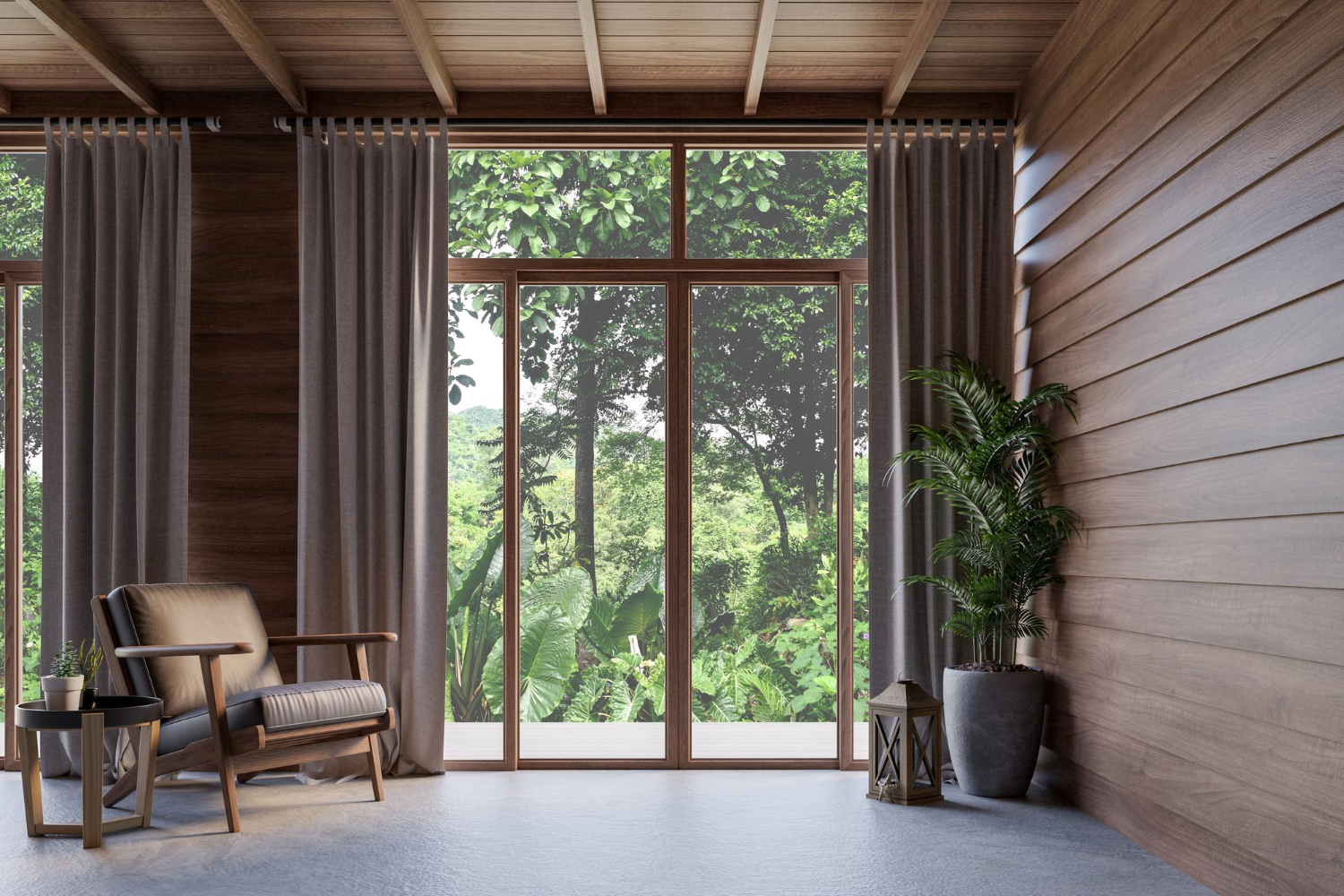
Wooden windows offer excellent thermal insulation, helping to maintain consistent indoor temperatures and reduce energy consumption. This is particularly beneficial in modern homes that often feature large windows and open-plan living spaces. The insulating properties of wood help in keeping homes warm in the winter and cool in the summer, enhancing energy efficiency and contributing to lower utility bills.
Durability and Longevity
Advancements in wood treatment and finishing techniques have significantly enhanced the durability and longevity of wooden windows. Modern treatments protect wood from moisture, UV rays, and pests, ensuring that wooden windows can withstand the elements and maintain their appearance over time. This makes them a viable option even in regions with harsh weather conditions.
Acoustic Benefits
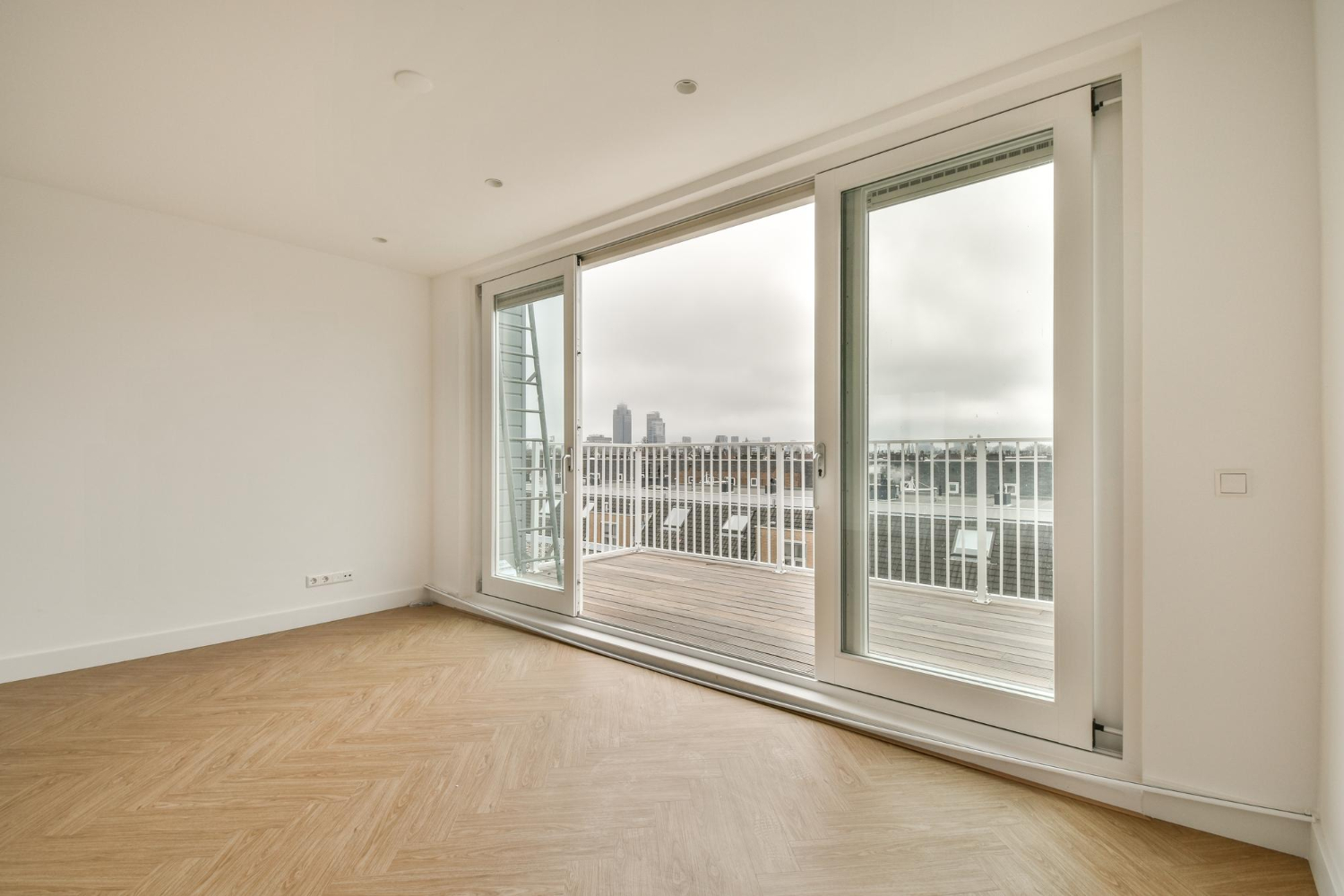
Wooden windows also provide excellent sound insulation, which is a valuable feature in urban environments or noisy neighbourhoods. The natural density of wood helps to block out external noise, creating a quieter and more peaceful indoor environment. This acoustic benefit is especially appreciated in modern homes where tranquillity is a key aspect of the living experience.
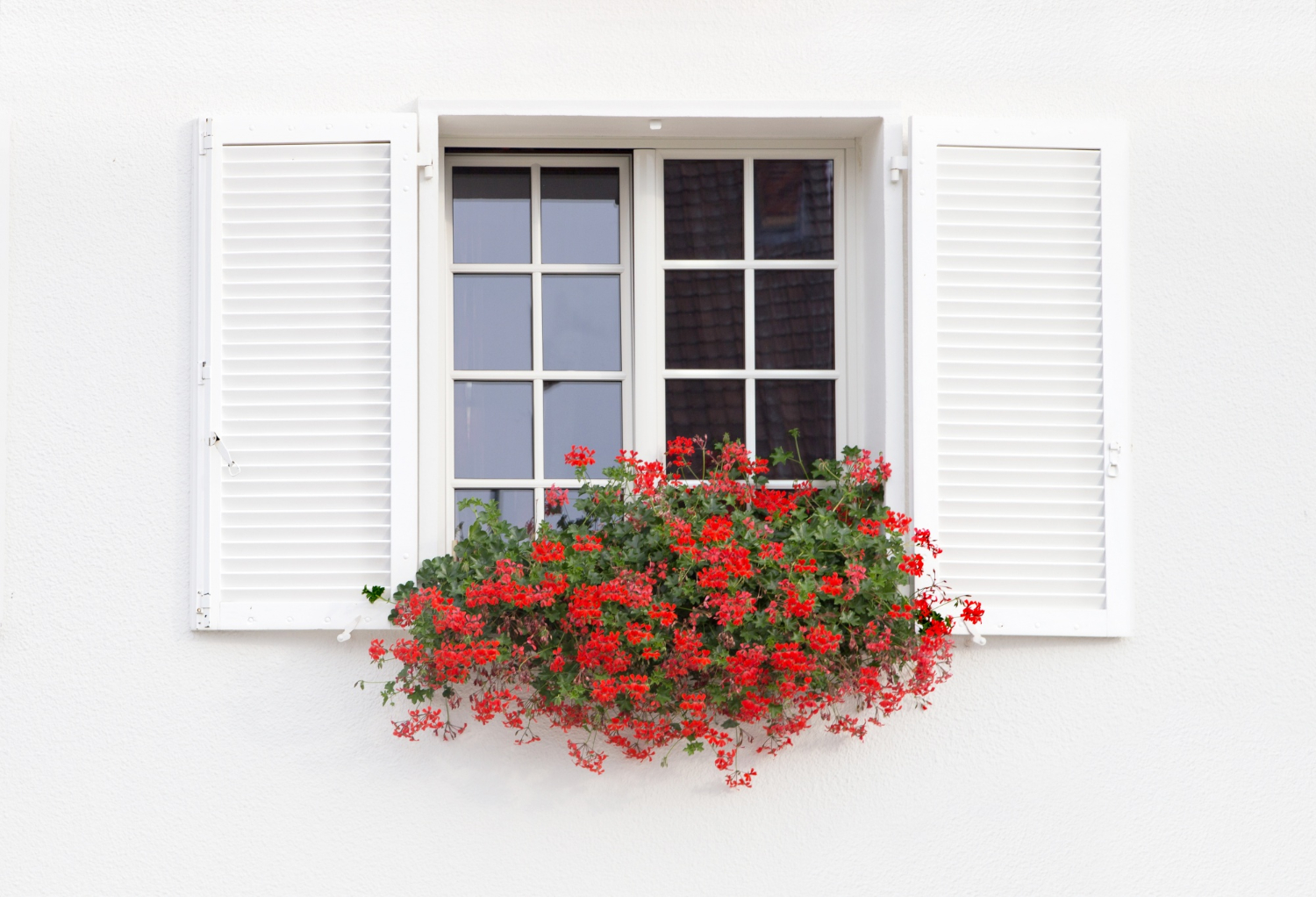
Incorporating wooden windows into modern architecture offers numerous benefits, from aesthetic versatility and sustainability to energy efficiency and durability. They provide a unique blend of traditional warmth and contemporary style, making them an ideal choice for modern homes and buildings. As architectural trends continue to evolve, wooden windows are likely to remain a popular and practical choice for designers and homeowners alike.
Archives